Eleanor on buying second-hand handhelds
29 April 2026 · By Eleanor Whitmore · The Quarterly
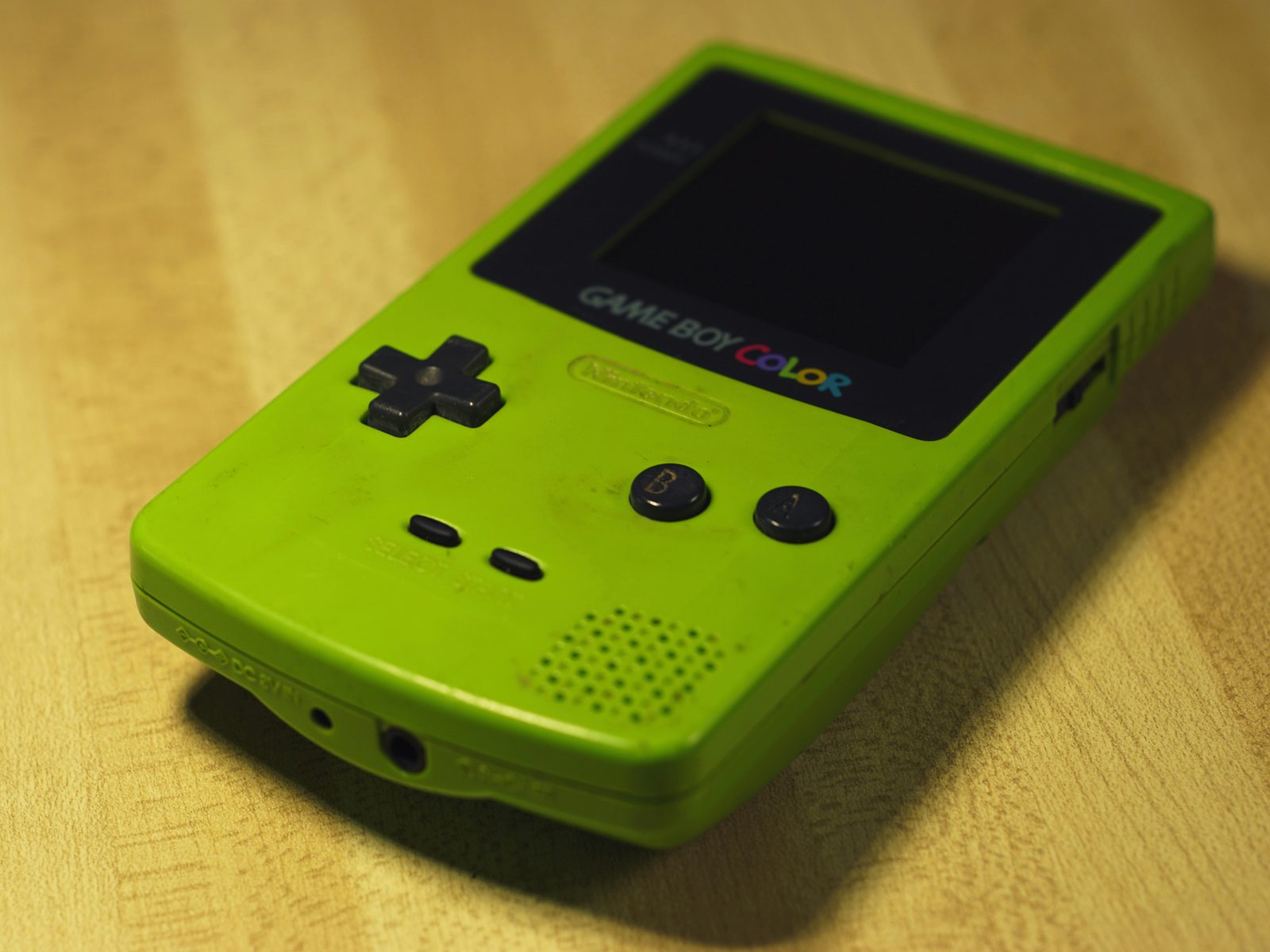
After ten years of standing behind a counter, I have a fairly settled view of what to check before paying actual money for a used handheld. Here it is, in order.
The cabinet sells second-hand handhelds. So does eBay. So does CEX. So do thirty smaller online traders. I see no good reason why customers should pay our prices unless they understand exactly what they are paying for — which is, mostly, the time we put into checking each unit before it goes on the shelf.
For the customer buying elsewhere, here is the order in which Bertram and I check a handheld at the bench. Borrow the list. Save yourself some money.
I. The screen, in daylight, with a magnifier
OLED screens of a certain age develop burn-in around the menu bar. LCDs develop dead pixels. Neither is necessarily a deal-breaker — a tiny patch of burn-in on a Vita's home menu is largely invisible in-game — but a unit with screen damage is worth significantly less than a unit without, and you should know which you are buying. Hold the unit under daylight, not the seller's lamp, and pass a phone-camera magnifier across the surface.
II. The buttons, all of them, in sequence
Press every button in turn. The face buttons rarely fail. The shoulder buttons fail constantly — especially the L on a 3DS XL, the L2 on a Vita and absolutely every joystick click on a Switch. If a button feels softer than its neighbour, it has been used more, and it will fail first. Negotiate accordingly.
III. The battery, against a wall
Plug the handheld in. Confirm the charging light comes on. Unplug. Confirm the unit holds a charge for at least the few minutes you have it in your hands. A battery that doesn't take a charge is either a unit-killer or a £30 replacement; you don't know which until you've opened it.
IV. The hinge, opened and closed five times
Folding handhelds — DS, 3DS, Game Boy SP — develop hinge fatigue. The plastic creaks. The screen flickers as you open and close. A flickering screen is a hinge ribbon-cable issue, fixable but only by someone who can replace a ribbon-cable. If you're not that person, walk away.
V. The cartridge slot, with a known-good cart
Bring your own. Don't trust the seller's test cart, which has by definition only been used in this one unit. A cart that loads on your friend's identical handheld but not on this one tells you something. A cart that loads on this one but with corruption tells you something more. The cabinet brings three different carts to every Bertram-curated buying trip.
VI. The serial, on a database
Most of the major handheld manufacturers have published their factory-defect serial ranges. The Game Gear's capacitor batch issue affects units made between certain weeks of 1991. The original DS Lite has a known hinge-batch problem on European units made in Q4 2006. Two minutes with the serial number and a list of known issues will tell you what to look for first.
VII. The sound, on speakers and through headphones
Internal speakers go before headphone jacks, but both go. Test both. A scratchy headphone jack on a Vita is a five-minute clean with isopropyl. A buzzing speaker is a soldering job. You need to know.
What the cabinet charges for
Each second-hand handheld we sell has been through this exact checklist, in this exact order, twice — once by Bertram on receipt and once by me before listing. The list takes about fifteen minutes per unit. We charge perhaps ten or twelve pounds above the eBay average. If you can do the list yourself, you can save the difference. If you can't, our margin is the price of not having to learn the hard way.
All console hardware on the cabinet's consoles aisle carries a 12-month working-order warranty in addition to your statutory rights — see the terms of trade for the full account.